As electricity prices continue to fluctuate and renewable energy becomes increasingly accessible, more homeowners in Spain are asking the same question: is it better to install solar panels or continue relying on the electricity grid?
For many people, the comparison seems straightforward. Solar energy is often associated with lower bills and greater energy independence, while the traditional electricity grid provides reliable power at any time of day. In reality, however, the decision is not about choosing one or the other. For most homes in Spain, the most effective solution is a combination of both.
Understanding how each system works, their advantages and their limitations will help you make an informed decision based on your property’s characteristics, your electricity consumption and your long-term energy goals.
How the electricity grid works in Spain
Every home connected to the Spanish electricity network receives electricity through a national system that combines multiple energy sources. Electricity is generated from renewable technologies such as solar, wind and hydroelectric power, alongside other sources including nuclear energy and natural gas.
It is then transported through the transmission and distribution networks before reaching homes and businesses. This interconnected system provides one of the main advantages of the electricity grid: reliability.
Whenever you switch on a light, charge your phone or use an appliance, electricity is available regardless of the weather or the time of day. Consumers simply pay for the electricity they use, together with regulated charges and fixed costs associated with their electricity contract. For decades, this has been the standard way of supplying energy to homes across Spain.
How residential solar panels work
Solar panels generate electricity directly from sunlight using photovoltaic cells installed on the roof of a property. During daylight hours, the electricity produced can be used immediately by the home, reducing the amount of electricity purchased from the grid.
If the panels generate more electricity than the household is consuming at that moment, the surplus may be exported to the grid under Spain’s self-consumption regulations, provided the installation and electricity contract meet the applicable requirements.
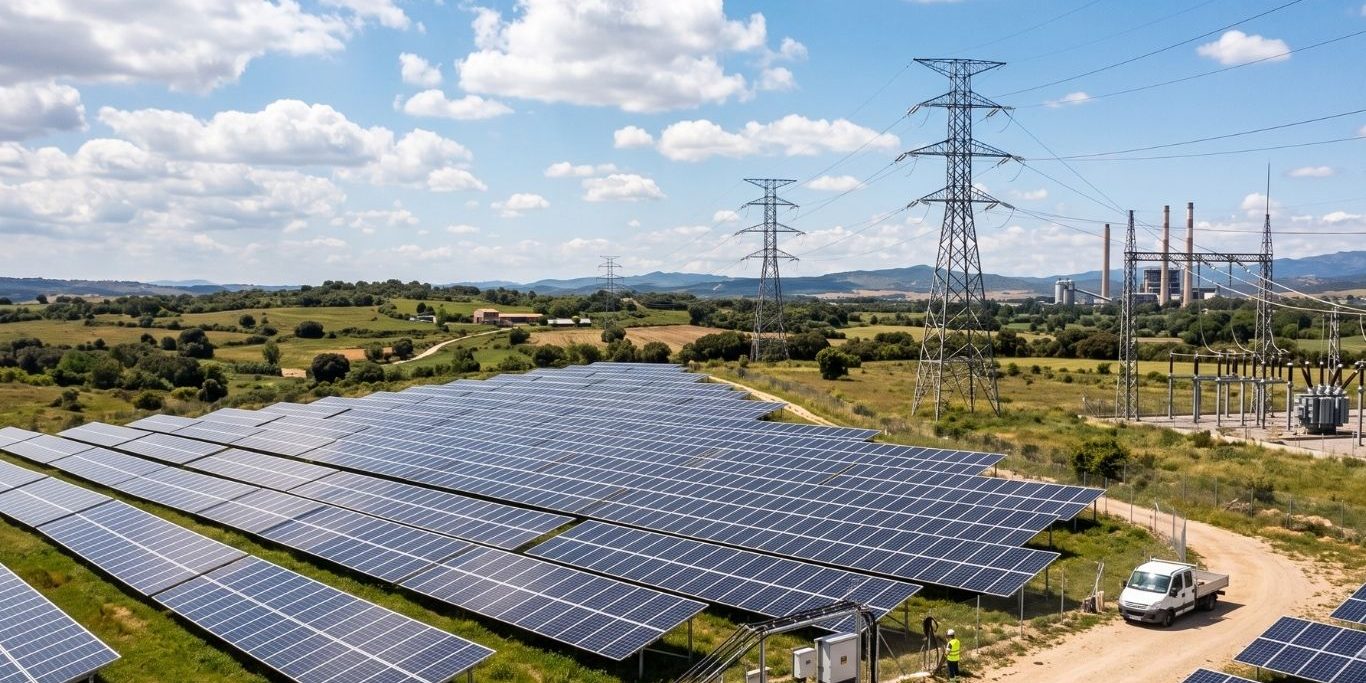
When solar production is insufficient, such as at night or during periods of low sunshine, the property automatically imports electricity from the grid. This means that most residential solar installations remain connected to the electricity network rather than operating independently.
Do solar panels replace the electricity grid?
One of the biggest misconceptions among homeowners is that installing solar panels means they no longer need the electricity grid. For most residential properties, this is not the case.
Grid-connected solar systems are by far the most common type of installation in Spain. Rather than replacing the grid, they reduce dependence on it.
During sunny periods, homeowners purchase less electricity because part of their demand is covered by their own solar generation. At night or on cloudy days, electricity continues to be supplied by the grid without any interruption.
Completely disconnecting from the grid is technically possible in some situations but usually requires large battery storage systems and careful energy management. For most homeowners, remaining connected offers a better balance between reliability, flexibility and cost.
Comparing costs over time
When comparing solar panels with the electricity grid, it is important to distinguish between short-term and long-term costs. Using only grid electricity requires no major upfront investment. Homeowners simply pay their electricity bills according to their tariff, contracted power and consumption.
Solar panels, on the other hand, involve an initial installation cost. However, once installed, they generate electricity for many years with relatively low maintenance requirements.
For households with suitable roofs and sufficient daytime electricity consumption, the reduction in purchased electricity can gradually offset the installation cost.
Over the long term, many homeowners see solar panels as an investment in lower operating costs rather than simply another household expense.
Energy independence and price stability
Electricity prices change over time. Although Spain’s electricity market has become more stable than during the energy crisis, prices remain influenced by factors such as wholesale market conditions, fuel costs, weather patterns and overall demand.
Solar panels offer greater protection against these fluctuations because part of the home’s electricity is produced on-site.
The more electricity homeowners consume directly from their own installation, the less exposed they become to changes in market prices. This does not eliminate electricity bills entirely, but it can reduce dependence on external price variations.
For homeowners planning to remain in their property for many years, this additional predictability is often an important advantage.
Solar energy works particularly well in Spain
Spain has one of the highest levels of solar irradiation in Europe. Many regions receive abundant sunshine throughout the year, making residential photovoltaic systems especially attractive.
Areas such as Andalusia, Murcia, Valencia and the Balearic Islands generally benefit from particularly favourable solar conditions, although installations across much of Spain can achieve excellent performance.
This natural advantage means homeowners are often able to produce a significant proportion of their annual electricity needs from solar energy. The exact amount depends on factors such as roof orientation, shading, system size and household consumption patterns.
What about cloudy days?
A common concern is whether solar panels continue working when the weather is not ideal. The answer is yes. Photovoltaic panels generate electricity whenever daylight is available, although production is lower during cloudy conditions than under direct sunlight.
Because grid-connected homes automatically import electricity whenever solar production is insufficient, homeowners continue to enjoy uninterrupted electricity regardless of weather conditions. For this reason, occasional cloudy days rarely present practical difficulties for residential users.
Should you install battery storage?
Many homeowners assume batteries are essential when installing solar panels. While batteries can increase self-consumption by storing surplus electricity generated during the day for use later, they are not always necessary.
Many households already achieve significant savings without battery storage by using solar electricity while it is being produced.
The decision depends on several factors, including electricity consumption patterns, available budget and whether the homeowner prefers greater energy independence or faster financial payback.
As battery technology continues to evolve, storage systems are becoming increasingly popular, but they are not a requirement for every installation.
Which option is better for holiday homes?
Holiday homes present a different situation. Many second homes in Spain remain empty for extended periods, particularly outside the summer season. Although solar panels can still generate electricity during these periods, household consumption is often relatively low.
For some owners, the decision may depend on how frequently the property is occupied, whether it includes features such as swimming pools or air conditioning, and how surplus electricity is managed under their electricity contract.
A personalised assessment is usually the best way to determine whether solar represents a worthwhile investment for a seasonal property.
The environmental impact
Both the electricity grid and residential solar energy contribute to Spain’s transition towards cleaner energy. The Spanish electricity mix already includes a growing share of renewable generation, particularly wind and solar power.
Installing residential solar panels further increases the use of renewable electricity by generating clean energy directly where it is consumed. This reduces transmission losses, lowers greenhouse gas emissions associated with household electricity consumption and supports the country’s wider decarbonisation objectives. For homeowners looking to reduce their environmental footprint, solar panels represent an important step towards more sustainable living.
The best solution is often a combination of both
Rather than viewing solar panels and the electricity grid as competing systems, it is more accurate to think of them as complementary. The electricity grid provides security, flexibility and continuous supply.
Solar panels reduce the amount of electricity that needs to be purchased while increasing energy independence and improving long-term cost control.
Together, they create a balanced energy solution that combines the reliability of the national network with the financial and environmental benefits of renewable energy. For most households in Spain, this hybrid approach offers the greatest overall value.
Conclusion
Choosing between solar panels and the electricity grid is not really about selecting one instead of the other. For the vast majority of homes in Spain, the most effective solution is to combine both systems. Solar panels generate clean electricity whenever sunlight is available, while the electricity grid provides reliable backup whenever additional energy is needed.
Whether installing solar panels makes financial sense depends on your property’s characteristics, electricity consumption, occupancy patterns and long-term plans. Understanding these factors before making an investment helps ensure you choose the solution that delivers the greatest value over time.
If you’re considering solar panels for your home in Spain, Evergreen Eléctrica can help. We analyse your electricity consumption, assess your property’s solar potential and explain the available options clearly, so you can make an informed decision based on your real energy needs.
Would you like to know if you can reduce your contracted power or other costs? Send us your bill and receive a free, no-obligation analysis.