Electric cars are becoming increasingly common on Spanish roads. For many homeowners, especially those living in houses, villas or residential communities, the next question after buying an electric vehicle is simple: what is the best home charger for my electric car?
Charging at home is one of the biggest advantages of owning an electric vehicle. Instead of relying only on public charging stations, you can recharge your car overnight, start each day with more range and have greater control over your energy costs.
However, choosing a home EV charger is not always as simple as buying the first model you find online. The best charger for your home depends on your car, your electrical installation, your driving habits, your contracted power and whether you already have or plan to install solar panels.
Understanding the main options will help you make a safer, smarter and more cost-effective decision.
Why install a home charger for your electric car?
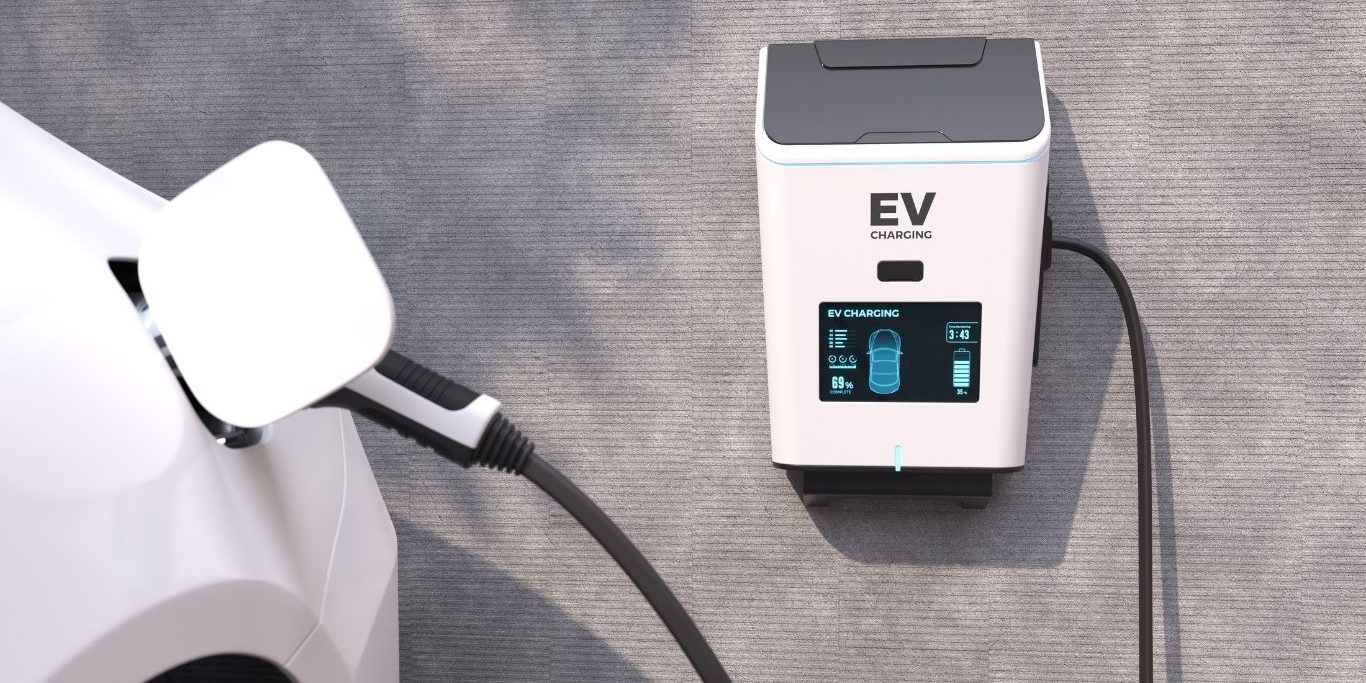
Although many electric cars can be charged using a standard domestic socket, this is usually not the most practical solution for everyday use. A dedicated home charger, often called a wallbox, is designed specifically for electric vehicle charging. It offers faster, safer and more reliable charging than a conventional plug.
For most homeowners, the main benefits include faster charging times, improved safety, better energy management, more convenience, compatibility with smart charging features, and easier integration with solar panels.
If you use your electric car regularly, a dedicated charger quickly becomes one of the most useful upgrades you can make to your home.
What type of home charger is best?
For most homes, the best option is an AC wallbox charger. These chargers are usually installed on a wall in a garage, driveway or private parking space. They connect directly to your home’s electrical installation and provide controlled charging to your vehicle.
In Spain, many residential chargers are single-phase and offer up to 7.4 kW of charging power. This is often enough for most homeowners because the car can charge overnight while electricity demand in the home is lower.
Some homes with three-phase electricity may be able to install 11 kW or even 22 kW chargers, but more power is not always necessary. The car must be able to accept that charging speed, and the home must have enough available electrical capacity.
In many cases, a well-installed 7.4 kW smart charger is more practical than choosing the highest possible power.
7.4 kW, 11 kW or 22 kW: which one do you need?
One of the most common mistakes when choosing a home charger is assuming that more power is always better. The best charger is not necessarily the fastest one. It is the one that matches your car, your home and your real charging needs.
A 7.4 kW charger is usually suitable for many homeowners with a single-phase electrical supply. It can add a significant amount of range overnight and is compatible with the needs of many daily drivers.
An 11 kW charger may be a good option for homes with three-phase supply and vehicles that can accept three-phase AC charging. It can reduce charging times, but it may require a more advanced electrical installation.
A 22 kW charger is less common for domestic use. Although it sounds attractive, many electric cars cannot charge at 22 kW using AC power. In addition, installing this level of power at home may require a higher contracted power and additional electrical upgrades.
Smart chargers: the best choice for most homeowners
Smart EV chargers are becoming the preferred option for home installations. Unlike basic chargers, smart chargers allow you to manage how and when your car charges. This can be especially useful in Spain, where electricity prices and tariffs may vary depending on the time of day.
A smart charger may allow you to schedule charging during cheaper periods. monitor consumption from a mobile app, avoid exceeding your contracted power, pause or adjust charging automatically, integrate charging with solar production, and track charging costs over time.
For homeowners who want to reduce electricity bills, these features can make a real difference.
Load balancing: an important feature in Spanish homes
One of the most useful features in a home EV charger is dynamic load balancing. This technology monitors the electricity being used by the home and automatically adjusts the power sent to the car. For example, if the oven, air conditioning and washing machine are being used at the same time, the charger can temporarily reduce charging power to avoid overloading the installation.
This is particularly important in Spain because homes have a contracted power limit. If several appliances are running at once and the car is charging at high power, the system may exceed that limit.
A charger with load balancing can help prevent interruptions and reduce the need to increase contracted power unnecessarily.
Solar-compatible EV chargers
For homeowners with solar panels, or those planning to install them, choosing a solar-compatible EV charger is a smart decision. These chargers can help use surplus solar energy to charge the car instead of exporting all excess electricity to the grid. This can improve self-consumption and increase the value of your solar installation.
Some chargers offer different charging modes, allowing you to choose between faster grid charging, solar-only charging or a mix of both.
For homes in Spain, where solar production can be high during much of the year, combining solar panels with electric vehicle charging can be an excellent way to reduce dependence on external electricity.
Tethered or untethered charger?
Another decision is whether to choose a tethered or untethered charger. A tethered charger has a cable permanently attached. This is convenient because you simply park the car and plug it in. It is often the easiest option for daily home use.
An untethered charger has a socket but no fixed cable. You use your own charging cable each time. This can look cleaner and may offer more flexibility if different vehicles use different connectors.
For most homeowners, a tethered charger is more convenient. However, an untethered model may be preferable in shared parking areas or where appearance and flexibility are important.
Indoor or outdoor installation
Home chargers can usually be installed indoors or outdoors, but the location matters. If the charger is installed outside, it should be designed to withstand weather conditions such as rain, humidity, heat and dust. It should also be placed in a practical location close to where the car is parked.
A good installation is just as important as the charger itself. So, before installation, a professional should assess: distance from the electrical panel, cable route, available power, protection devices, parking layout, exposure to weather, and future charging needs.
What are the best home chargers for electric cars?
The best home charger is not a single universal model. It depends on your property and how you use your car. For most homeowners, the best option is a smart AC wallbox with:
- 7.4 kW power for single-phase homes
- 11 kW power for suitable three-phase homes
- Dynamic load balancing
- App control
- Scheduling options
- Solar compatibility
- Professional installation
- Strong safety protections
Rather than focusing only on brand or price, homeowners should look for a charger that is safe, reliable, easy to use and compatible with their electricity contract. A cheaper charger without smart features may cost less at the beginning, but it could be less efficient over time. A more advanced charger may help reduce charging costs, especially if combined with time-of-use tariffs or solar self-consumption.
Can you install a charger in a residential community?
Many people in Spain live in apartment buildings or residential communities with shared garages. In many cases, installing an EV charger in a private parking space is possible, but the process may require notifying the community and following the correct technical requirements.
The installation should always be carried out by a qualified professional to ensure safety and compliance with regulations. For homeowners in residential communities, planning is especially important because cable routes, meter location and community infrastructure can affect the final installation.
How to reduce the cost of charging at home
Installing the right charger is only part of the equation. How you use it also matters. To reduce charging costs, homeowners can:
- Charge during cheaper tariff periods
- Review their contracted power
- Use smart scheduling
- Avoid unnecessary fast charging
- Combine charging with solar panels
- Monitor monthly consumption
- Compare electricity tariffs regularly
For many households, electric vehicle charging becomes one of the largest electricity uses in the home. Managing it properly can help keep bills under control. Read our article about How much does it cost to charge an electric car at home?
Conclusion
The best home charger for an electric car is the one that fits your vehicle, your home and your lifestyle.
For most homeowners in Spain, a smart wallbox charger with dynamic load balancing is the most practical and future-proof option. It provides faster and safer charging than a standard socket, helps manage electricity demand and can reduce costs when used with the right tariff or solar energy system.
Before choosing a charger, it is important to consider your electrical installation, contracted power, parking space, charging habits and long-term energy plans.
If you are planning to install a home charger for your electric car, Evergreen Eléctrica can help you choose the right solution. We analyse your home, your electricity contract and your charging needs to recommend a safe, efficient and cost-effective EV charging setup adapted to your property in Spain.