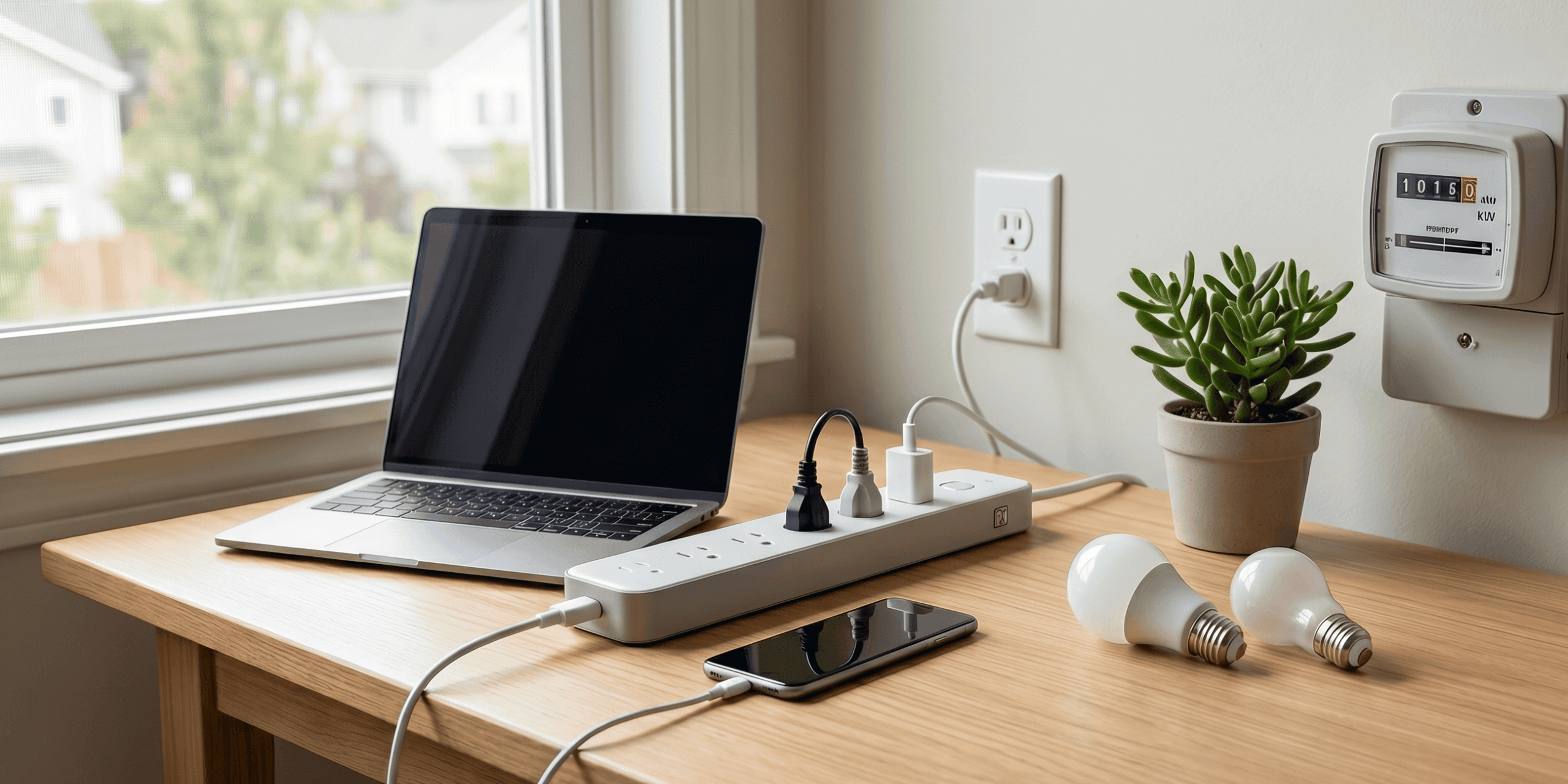
Every year on April 22, International Mother Earth Day is celebrated worldwide. For many, it’s a symbolic date. But in reality, it’s a reminder of something much more practical: how our everyday energy use affects the planet.
In 2026, sustainability is no longer just about awareness — it’s about making smarter decisions at home, especially when it comes to energy.
The history behind International Mother Earth Day
International Mother Earth Day has its roots in the broader Earth Day movement, which began in 1970 in the United States as a response to growing environmental concerns.
In 2009, the United Nations officially recognized April 22 as International Mother Earth Day, emphasizing the idea that the Earth is a shared system where human activity and natural balance are closely connected.
Since then, the focus has shifted from activism alone to practical solutions and long-term sustainability.
What is the purpose of this day
The purpose of International Mother Earth Day is not just to raise awareness, but to encourage real, measurable action. At a global level, it promotes:
- Sustainable energy use
- Reduction of emissions
- Protection of natural resources
At an individual level, it’s about something simpler: understanding how your daily habits — especially energy consumption — impact the environment.
Why energy matters in your daily life
Energy is one of the biggest factors in your environmental footprint. From heating and cooling to appliances and lighting, most homes depend heavily on electricity — often generated from non-renewable sources.
That’s why even small improvements in how you use energy can lead to:
- Lower emissions
- Lower electricity bills
- Greater control over your consumption
10 ways to save energy at home
You don’t need a complete lifestyle change to make an impact. These practical steps can help you reduce energy use starting today.
1. Turn off standby devices
Many electronics consume energy even when not in use. Switching them off completely can reduce unnecessary consumption.
2. Upgrade to energy-efficient appliances
Modern appliances are designed to use less electricity while delivering the same performance.
3. Optimize heating and cooling
Adjusting your thermostat by just a few degrees can significantly reduce energy usage over time.
4. Use natural light whenever possible
Reducing artificial lighting during the day is a simple way to cut energy consumption.
5. Run appliances during off-peak hours
Electricity is often cheaper and more efficient to use outside peak demand times.
6. Improve home insulation
Good insulation keeps your home comfortable without over-relying on heating or cooling systems.
7. Monitor your energy consumption
Understanding when and how you use electricity is the first step to optimizing it.
8. Reduce hot water usage
Heating water requires a significant amount of energy. Small changes, like shorter showers, can help.
9. Consider solar energy
Switching to solar panels allows you to generate your own clean energy and reduce dependence on the grid.
Even partial self-consumption can make a noticeable difference over time.
10. Think long-term with energy solutions
Beyond daily habits, investing in solutions like solar panels or energy storage systems can provide long-term savings and sustainability.
Small changes vs long-term impact
The key is to start simple and build from there. Not all actions have the same effect, but they work better together.
- Daily habits create consistency
- Strategic decisions create long-term results
Conclusion: making Earth Day practical
International Mother Earth Day is not just about thinking globally — it’s about acting locally.
Your home is one of the most important places where you can reduce your environmental impact. Whether through small daily changes or bigger energy decisions, what you do matters.
The goal is not perfection, but progress.
Want to reduce your energy consumption and make your home more efficient? At Evergreen Electrica, we help you make smart decisions about your energy.