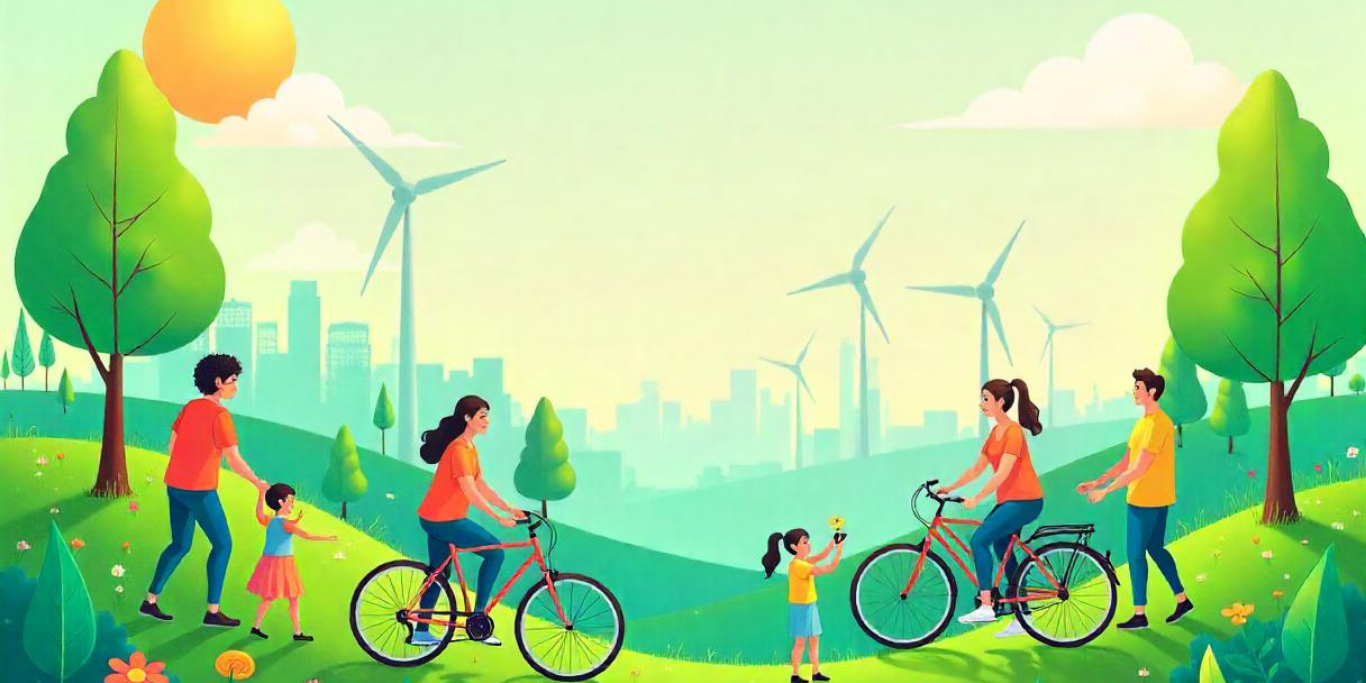
Climate change is a global challenge, but there are many practical ways to reduce greenhouse gas emissions at home, on the road and through the choices we make every day.
So, how can we reduce climate change? Some of the most important actions involve using energy more efficiently, replacing fossil fuels with renewable energy, choosing lower-emission forms of transport, reducing unnecessary consumption and supporting wider changes in businesses and communities.
Individual action alone cannot solve climate change. Governments, industries, energy systems and infrastructure also play a fundamental role. However, the choices people make as consumers, homeowners, workers and citizens can contribute to wider climate change mitigation.
Below, we explore 50 ways to reduce climate change, starting with some of the climate actions that can have the greatest impact.
What Are the Best Climate Change Actions to Take?
Not every climate action has the same impact. Switching off a light when you leave a room is useful, but larger decisions about how homes are heated, how electricity is produced, how people travel and what they consume can have a much greater long-term effect.
Some of the best climate change actions to take include improving the energy efficiency of homes and buildings, switching to renewable electricity, reducing dependence on fossil-fuel transport, using efficient heating and cooling systems and making more sustainable food and consumption choices.
Energy efficiency is particularly important. Buildings account for around 30% of global final energy consumption, according to the International Energy Agency, making improvements to insulation, heating, cooling and appliances an important part of reducing energy demand.
Transport is another major area. Walking, cycling, public transport and electric mobility can reduce dependence on fossil fuels, particularly when electricity increasingly comes from renewable sources.
The IPCC also highlights the considerable potential of demand-side measures across buildings, land transport and food. This means that climate action is not simply about consuming less; it is also about changing how energy, transport and other essential services are provided and used.
10 High-Impact Ways to Reduce Climate Change
If you are looking for a shorter starting point, these are 10 practical ways individuals and households can contribute to reducing climate change:
- Improve home energy efficiency. Better insulation, efficient windows and reduced energy loss can lower the amount of energy required to heat or cool a property.
- Use renewable electricity. Solar, wind and other renewable sources can reduce dependence on fossil fuels for electricity generation.
- Install solar panels where suitable. Residential solar self-consumption allows households to generate part of the electricity they use directly from renewable energy.
- Choose efficient heating and cooling. Efficient systems, appropriate temperature settings and smart controls can reduce unnecessary energy consumption.
- Walk, cycle or use public transport more often. Reducing car journeys can lower transport-related emissions.
- Consider an electric vehicle when replacing a car. EVs can help reduce transport emissions, particularly as electricity generation becomes cleaner.
- Reduce food waste. Planning purchases and using food efficiently reduces the resources and emissions associated with producing food that is never consumed.
- Eat more plant-based foods. Dietary choices can form part of wider demand-side strategies for reducing greenhouse gas emissions.
- Buy fewer unnecessary products and use items for longer. Extending product lifetimes can reduce demand for new materials, manufacturing and transport.
- Support broader climate action. Individual choices become more powerful when accompanied by cleaner infrastructure, effective public policy and businesses investing in decarbonisation.
These actions are a starting point. There are many other ways of reducing climate change depending on where you live, how you travel and how you use energy.
50 Ways to Reduce Climate Change
At Home
- Switch to LED lighting. LEDs use significantly less electricity than traditional incandescent lighting and last much longer.
- Improve your home’s insulation. Insulating walls, roofs and other parts of the building envelope can reduce heating and cooling demand.
- Improve windows and doors. Efficient glazing and good sealing help prevent unwanted heat loss or heat gain.
- Use heating efficiently. Avoid overheating your home and only heat the rooms you need.
- Use air conditioning efficiently. Sensible temperature settings, shading and good insulation can reduce cooling demand.
- Use smart temperature controls. Programmable or smart controls can help avoid heating and cooling an empty property unnecessarily.
- Choose energy-efficient appliances. When replacing an appliance, compare its energy consumption as well as its purchase price.
- Reduce standby consumption. Switch off devices that do not need to remain powered continuously.
- Wash clothes at lower temperatures when appropriate. Heating water requires energy, so lower-temperature cycles can reduce consumption.
- Use washing machines and dishwashers efficiently. Run full loads and use ECO programmes where appropriate.
- Air-dry clothes when possible. Reducing tumble dryer use can lower household electricity consumption.
- Use natural light. Take advantage of daylight before switching on artificial lighting.
- Reduce unnecessary hot-water use. Shorter showers and efficient hot-water systems can reduce the energy required for water heating.
- Monitor your electricity consumption. Understanding when and where you use electricity makes it easier to identify waste.
- Maintain heating and cooling equipment. Well-maintained systems can operate more effectively than neglected equipment.
Renewable Energy and Electricity
- Install solar panels where appropriate. Solar self-consumption can replace part of the grid electricity used by a home or business with locally generated renewable electricity.
- Choose electricity from renewable sources. Cleaner electricity generation is fundamental to reducing emissions from the energy sector.
- Combine solar generation with smart energy management. Using more electricity when your panels are generating can increase direct self-consumption.
- Explore energy storage solutions. Physical batteries and, where offered under suitable contractual conditions, virtual battery services can help households make better economic use of solar surpluses.
- Electrify fossil-fuel uses when appropriate. As electricity systems become cleaner, efficient electrification can reduce reliance on fossil fuels for activities such as heating and transport.
Transportation
- Walk for short journeys. Replacing unnecessary car trips with walking eliminates fuel use for those journeys.
- Cycle when practical. Cycling offers another low-emission alternative for short and medium-distance trips.
- Use public transport. Buses, trains and other shared transport can reduce the emissions associated with individual car use.
- Car-share when driving is necessary. Increasing vehicle occupancy can reduce emissions per passenger.
- Consider an electric vehicle when replacing your car. Electric mobility can play an important role in transport decarbonisation.
- Combine EV charging with solar power. Homeowners with photovoltaic panels may be able to use locally generated electricity to charge their vehicle.
- Drive efficiently. Smooth acceleration, appropriate speeds and avoiding unnecessary idling can reduce energy consumption.
- Maintain your vehicle properly. Correct tyre pressure and regular maintenance help vehicles operate efficiently.
- Combine errands into fewer journeys. Better planning can reduce unnecessary kilometres.
- Reduce unnecessary flights. Aviation can represent a significant part of an individual’s carbon footprint, particularly for frequent flyers.
Food and Everyday Consumption
- Reduce food waste. Plan meals, store food correctly and make use of leftovers.
- Include more plant-based meals. Changes in food demand can contribute to climate change mitigation.
- Buy only what you need. Avoiding unnecessary purchases reduces demand for materials, manufacturing and transport.
- Choose durable products. Products that last longer do not need to be replaced as frequently.
- Repair before replacing. Extending the useful life of electronics, appliances, furniture and clothing can reduce unnecessary consumption.
- Reuse products when possible. Reusing items reduces the need for new production.
- Buy second-hand where appropriate. Used furniture, clothing and electronics can extend product lifetimes.
- Reduce disposable products. Reusable alternatives can reduce resource consumption and waste.
- Recycle correctly. Follow local recycling rules so suitable materials can re-enter productive use.
- Compost organic waste where practical. Composting can be an appropriate way to manage some household organic waste while returning nutrients to soil.
Community, Work and Long-Term Action
- Improve workplace energy efficiency. Businesses can reduce energy demand through efficient lighting, heating, cooling, equipment and building improvements.
- Support renewable energy projects. Expanding clean electricity generation is essential to reducing fossil-fuel dependence.
- Encourage energy-efficient buildings. Renovating existing buildings and applying strong efficiency standards to new ones can reduce long-term energy demand.
- Support cleaner transport infrastructure. Public transport, cycling infrastructure and EV charging networks make lower-emission choices easier.
- Protect and restore ecosystems. Healthy forests and other ecosystems store carbon while also supporting biodiversity and climate resilience.
- Talk about climate solutions. Sharing reliable information can help climate-friendly behaviours and technologies become more widely understood.
- Support businesses working to reduce emissions. Purchasing and investment decisions can encourage companies to improve environmental performance.
- Participate in community initiatives. Local renewable energy, efficiency, mobility and environmental projects can turn individual interest into collective action.
- Support effective climate policies. Individual action works best alongside policies and infrastructure that make low-emission choices accessible and affordable.
- Focus on high-impact changes, not perfection. Sustainable habits matter, but major decisions about energy, transport, buildings and consumption often provide greater opportunities for long-term emissions reductions than isolated small actions.
How Can Individuals Help Reduce Climate Change?
Individuals can help reduce climate change in several different roles: as homeowners, tenants, drivers, consumers, employees, investors and citizens.
At home, this can mean reducing unnecessary energy consumption, improving insulation, choosing efficient appliances or generating renewable electricity through solar panels in Spain. In transport, it can involve walking, cycling, public transport, reducing unnecessary flights or moving towards electric mobility.
Consumption habits also matter. Reducing food waste, using products for longer and avoiding unnecessary purchases can reduce demand for energy and resources throughout supply chains.
However, climate change cannot be addressed through personal responsibility alone. The IPCC stresses that individual behaviour is most effective when supported by changes in infrastructure, technology, institutions and public policy.
This is why the best climate change solutions for individuals are often those that combine personal action with broader structural change. A homeowner installing solar panels, for example, makes an individual decision, but its impact is enabled by electricity networks, regulation, installers, financing and the wider transition towards renewable energy.
Climate Change Prevention and Mitigation: What Is the Difference?
Searches such as ways to prevent climate change, strategies to reduce climate change and ways to mitigate climate change are often used to describe similar ideas, but there is an important distinction.
Climate change mitigation means reducing greenhouse gas emissions or increasing the removal of greenhouse gases from the atmosphere in order to limit future warming. Renewable energy, energy efficiency, cleaner transport and reducing fossil-fuel use are examples of mitigation.
Climate adaptation, by contrast, means adjusting to climate impacts that are already happening or expected in the future, such as extreme heat, drought, flooding or sea-level rise.
We cannot simply reverse every effect of climate change through individual actions. Effective climate action therefore requires both mitigation to limit future warming and adaptation to manage the impacts that cannot be avoided.
How Renewable Energy and Energy Efficiency Help Reduce Global Warming
Many searches about climate change are also phrased as how to reduce global warming or ways to reduce global warming. At the energy-system level, one of the most important strategies is reducing the use of fossil fuels while improving energy efficiency and expanding low-emission electricity.
Solar and wind power can generate electricity without the direct fossil-fuel combustion associated with conventional coal, oil or gas generation. At the same time, energy efficiency reduces the amount of energy needed to provide services such as heating, cooling, lighting and mobility.
According to the International Energy Agency, without the energy-efficiency improvements achieved since 2010, today’s global greenhouse gas emissions would be around 20% higher.
The two strategies therefore complement each other: use energy more efficiently and produce an increasing share of the energy we still need from low-emission sources.
How Evergreen Eléctrica Can Help Reduce Your Carbon Footprint
For households in Spain, energy use is one area where climate action can also provide practical financial benefits.
At Evergreen Eléctrica, we help households understand their electricity consumption and explore solutions that can reduce dependence on conventional grid electricity and improve energy efficiency.
Depending on the property and its energy needs, these solutions may include solar panel installation, solar self-consumption, energy monitoring, EV charging solutions and advice on optimising electricity use.
For homes with solar panels, solutions such as a virtual battery may also allow the economic value of surplus solar generation to be applied to future electricity bills, depending on the conditions of the service. Unlike a physical battery, a virtual battery does not physically store electricity in your home.
Improving energy efficiency first and then assessing technologies such as solar self-consumption can create a more comprehensive long-term energy strategy.
Frequently Asked Questions About Reducing Climate Change
How can we reduce climate change?
Climate change can be reduced by cutting greenhouse gas emissions across energy, buildings, transport, food, industry and land use. For individuals, practical actions include improving home energy efficiency, using renewable electricity, choosing lower-emission transport, reducing food waste and consuming resources more efficiently.
What are the best ways to reduce climate change?
Some of the highest-impact strategies include reducing fossil-fuel use, expanding renewable electricity, improving energy efficiency, electrifying transport and heating where appropriate, reducing high-emission transport and improving the way buildings and resources are used.
What are 10 ways to reduce climate change?
Ten practical actions include improving insulation, using renewable electricity, installing solar panels where suitable, choosing efficient appliances, using heating and cooling efficiently, walking or cycling more often, using public transport, reducing food waste, consuming fewer unnecessary products and supporting broader climate action.
How can individuals help reduce climate change?
Individuals can reduce their carbon footprint through decisions about home energy, transport, food and consumption. They can also influence wider change through their roles as voters, workers, consumers, investors and members of their communities.
What are some strategies to reduce climate change?
Major climate change strategies include energy efficiency, renewable energy, electrification, low-emission transport, reducing fossil-fuel consumption, improving buildings, changing patterns of resource consumption and protecting natural ecosystems.
Can renewable energy help reduce global warming?
Yes. Replacing fossil-fuel electricity generation with low-emission renewable sources such as wind and solar is an important part of reducing energy-related greenhouse gas emissions. Renewable energy is most effective as part of a wider strategy that also includes energy efficiency, electrification and changes across transport, buildings and industry.
Small Actions Matter, but Focus on What Makes the Biggest Difference
There are many ways to reduce climate change, from everyday changes at home to major decisions about transport, heating and renewable energy.
The key is not to try to live a perfectly carbon-free life. Instead, focus first on the areas where your decisions can have the greatest effect: how much energy your home needs, where that energy comes from, how you travel and how efficiently you use resources.
Individual action is only one part of the solution, but when cleaner technologies, effective climate policies, businesses and millions of individual decisions move in the same direction, they can contribute to the broader transition required to reduce greenhouse gas emissions.
At Evergreen Eléctrica, we help households in Spain take practical steps towards a more efficient energy model through solar self-consumption, energy optimisation and smarter electricity solutions.
If you want to understand how much energy your property consumes and whether solar energy or other efficiency measures could help, contact us for personalised advice.