As the energy transition accelerates, green energy solutions are becoming increasingly important for reducing greenhouse gas emissions, improving energy efficiency and decreasing dependence on fossil fuels.
But green energy is not limited to installing solar panels or building wind farms. Today’s solutions range from renewable electricity generation and energy storage to efficient buildings, heat pumps, smart energy management and electric mobility.
The best green energy solutions depend on the goal. A homeowner may want to reduce electricity consumption or make better use of renewable electricity, while a business may prioritise energy efficiency, electrification or better control over its energy demand.
Understanding the different options — and how they work together — is the first step towards a more sustainable energy system.
What Are Green Energy Solutions?
Green energy solutions are technologies, systems and strategies designed to provide energy with a lower environmental and climate impact than conventional fossil-fuel alternatives.
They can include both renewable energy generation and technologies that help use energy more efficiently. For example, solar and wind power generate renewable electricity, while building insulation, efficient heating and cooling, energy storage and smart energy-management systems can help reduce or optimise the amount of energy required.
It is also useful to distinguish between green energy sources and green energy solutions. Green energy sources refer to the natural resources from which energy is obtained, such as sunlight, wind, water and geothermal heat.
Green energy solutions are the technologies and strategies used to harness, distribute, store or efficiently consume that energy.
This means that a sustainable energy system does not depend on one technology alone. It combines cleaner electricity generation with greater efficiency, electrification, flexibility and smarter energy use.
What Are the Best Green Energy Solutions?
There is no single solution that works for every home, business or energy system. However, several technologies and strategies play a particularly important role in the transition towards cleaner energy.
Some of the most important green and sustainable energy solutions include:
- Solar photovoltaic energy, which converts sunlight directly into electricity
- Wind energy, which uses turbines to generate electricity from moving air
- Hydropower, which generates electricity using moving water
- Geothermal energy, which uses heat stored beneath the Earth’s surface
- Energy storage, which can help balance electricity generation and consumption
- Energy-efficient buildings, which require less energy for heating, cooling and lighting
- Heat pumps, which can provide efficient heating and cooling using electricity
- Smart energy management, which helps households and businesses monitor and optimise consumption
- Electric mobility, including electric vehicles and charging infrastructure
- Renewable electricity supply, which allows consumers to support electricity generated from renewable sources
The right combination depends on location, energy consumption, available infrastructure, budget and the specific needs of the user. In many cases, the most effective strategy is not to choose a single technology but to combine renewable energy with energy efficiency.
Renewable Energy Solutions
Renewable energy is at the heart of most long-term green energy strategies. Unlike fossil fuels, renewable energy sources are naturally replenished. They can provide electricity and heat while generally producing substantially lower greenhouse gas emissions over their life cycle than conventional fossil-fuel alternatives.
Solar Energy
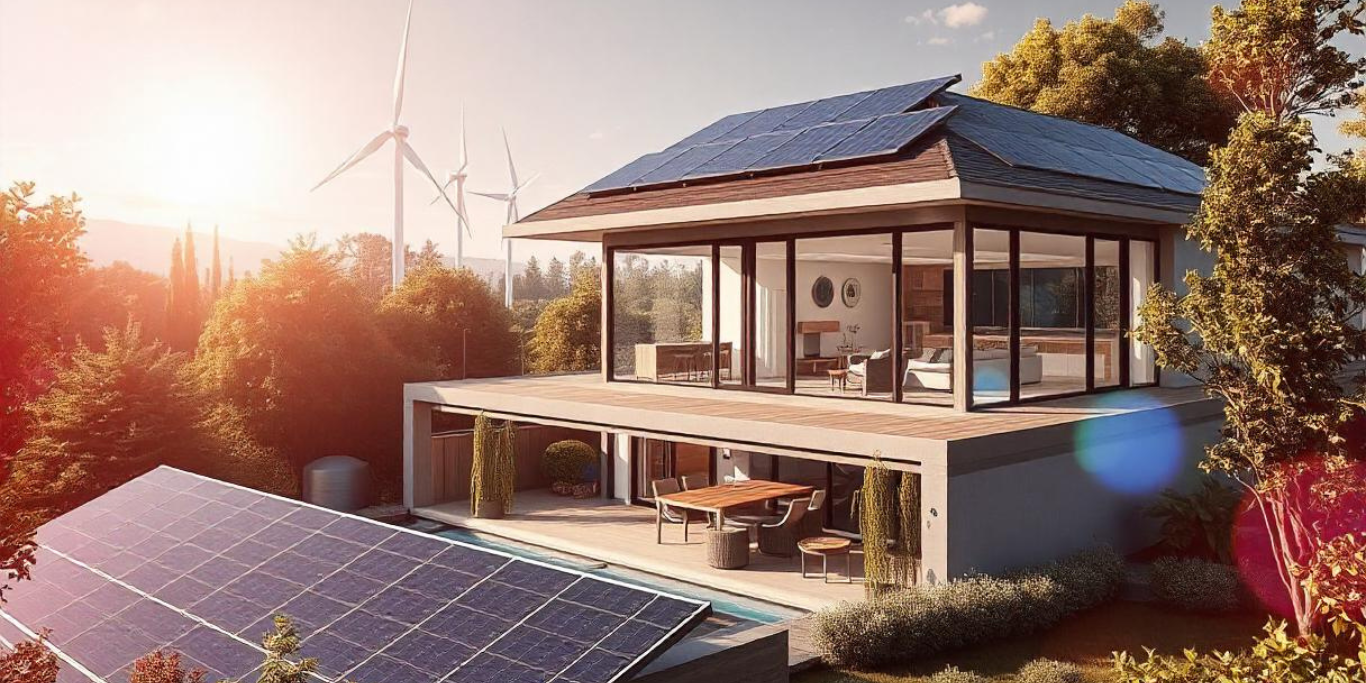
Solar photovoltaic systems convert sunlight into electricity and can be deployed at many different scales, from rooftop self-consumption systems to large solar farms.
For homeowners, solar self-consumption can reduce the amount of electricity purchased from the grid when electricity is generated and consumed at the same time.
Excess electricity can also be exported to the grid under the applicable self-consumption arrangements. Solar generation is variable, however, because production changes according to sunlight, weather, season, location, roof orientation and shading.
Wind Energy
Wind turbines convert the kinetic energy of moving air into electricity. Wind power is an important part of the electricity mix in countries with suitable wind resources, including Spain, and can complement other renewable technologies such as solar photovoltaics.
Wind energy is particularly important at utility scale, although smaller applications also exist.
Hydropower
Hydropower uses moving or falling water to generate electricity. Unlike solar and wind generation, some hydropower facilities can provide greater flexibility to the electricity system, particularly when reservoirs or pumped-storage systems are involved.
However, hydropower projects can also have significant local environmental and ecological impacts, which means their sustainability depends on how and where projects are developed.
Geothermal Energy
Geothermal energy uses heat stored beneath the Earth’s surface. Depending on the available resource and technology, geothermal energy can be used directly for heating or to generate electricity.
For buildings, geothermal heat-pump systems can also use relatively stable ground temperatures to provide efficient heating and cooling.
Sustainable Energy Solutions for Homes
A sustainable home does not necessarily need to generate all of its own electricity. In many cases, reducing energy demand should be one of the first priorities.
Improving insulation, reducing unwanted heat loss and heat gain, using efficient appliances and managing heating and cooling effectively can reduce the amount of energy a property needs before additional technologies are considered.
Improve Energy Efficiency
Energy efficiency means obtaining the same or better level of comfort and service while using less energy. Practical measures can include better insulation, efficient windows, LED lighting, energy-efficient appliances and more effective heating and cooling controls.
For properties in Spain, the priorities can vary considerably according to climate zone, building type and whether the property is a main residence or second home.
Use Efficient Heating and Cooling
Heating and cooling can represent a significant part of a home’s energy requirements. Efficient systems, appropriate temperature settings, good insulation and smart controls can reduce unnecessary consumption.
Heat pumps are becoming particularly relevant because they transfer heat rather than producing it directly through combustion or conventional electrical resistance. Their overall climate benefit is greater as the electricity supplying them becomes less carbon-intensive.
Consider Solar Self-Consumption
For suitable properties, photovoltaic self-consumption can allow part of household electricity demand to be supplied by electricity generated on site. Whether solar makes financial sense depends on installation cost, expected production, electricity consumption, consumption patterns and the conditions for surplus electricity.
If you’re considering photovoltaics, our guide How Much Are Solar Panels in Spain? explains the main costs and financial considerations.
Use Smart Energy Controls
Smart thermostats, programmable controls and home energy-management systems can help users understand and adjust how energy is consumed. Some systems can also coordinate flexible electricity loads with periods of solar generation or different electricity prices.
Technology itself does not guarantee savings, but better information and automation can make it easier to avoid unnecessary consumption.
Energy Storage and Smart Energy Management
As electricity systems incorporate larger shares of variable renewable generation, energy storage and flexibility become increasingly important. Physical batteries can store electricity and make it available later.
For a home with solar panels, this can allow part of the electricity generated during daylight hours to be used after solar production falls.
At electricity-system level, technologies such as batteries and pumped-storage hydropower can also help balance supply and demand. Consumers in Spain may also encounter services described as virtual batteries. These should not be confused with physical energy storage.
A virtual battery does not store electricity at the property. Instead, it is a commercial service through which an electricity supplier may assign economic value to eligible surplus solar generation according to the conditions of the contract.
Smart energy management complements these technologies by helping determine when electricity is generated, stored or consumed.
Green Energy and Electric Mobility
Transport is another major area of the energy transition. Electric vehicles can reduce reliance on petrol and diesel, particularly as the electricity used for charging increasingly comes from low-carbon sources.
For households with both an electric vehicle and solar self-consumption, daytime charging may also provide an opportunity to use locally generated electricity directly.
However, electric mobility involves more than replacing every conventional vehicle with an electric one. Public transport, walking, cycling, shared mobility and more efficient transport systems are also important parts of reducing transport-related energy use and emissions.
Green Energy Solutions for Businesses
Businesses can also adopt a combination of renewable energy and energy-efficiency measures. Depending on the organisation and its facilities, sustainable energy solutions for businesses may include reducing unnecessary electricity consumption, improving building efficiency, electrifying certain processes, managing peak demand, purchasing renewable electricity or incorporating on-site renewable generation through specialised providers.
Monitoring is particularly important. Understanding when and where electricity is consumed can help businesses identify inefficient equipment, unnecessary consumption and opportunities to adjust their energy strategy.
For companies with substantial electricity demand, the structure of the electricity contract and contracted power can also have a significant effect on energy costs.
Benefits and Challenges of Green Energy
Green energy solutions offer important benefits, but their limitations should also be understood. One of the biggest advantages is the potential to reduce greenhouse gas emissions by replacing fossil-fuel energy with lower-carbon alternatives.
Renewable energy can also reduce exposure to fossil-fuel markets and contribute to a more diversified energy system. Energy efficiency provides another benefit: reducing the amount of energy needed in the first place.
However, renewable technologies are not completely free of environmental impacts. Solar panels, wind turbines, batteries, electricity networks and other technologies require materials, manufacturing, land, infrastructure and eventual recycling or disposal.
Solar and wind generation are also variable, meaning electricity systems need sufficient flexibility through networks, storage, demand management, interconnection and complementary generation.
Some technologies also require substantial upfront investment. For these reasons, the energy transition involves much more than simply replacing one electricity source with another. It requires changes across generation, electricity networks, buildings, transport, storage and energy consumption.
How Can Green Energy Help Reduce Climate Change?
Energy production and use are closely linked to greenhouse gas emissions, particularly when fossil fuels such as coal, oil and natural gas are burned. Green energy can contribute to climate change mitigation in two complementary ways.
- The first is decarbonising energy supply by replacing fossil-fuel generation with lower-emission alternatives such as wind and solar.
- The second is reducing energy demand through efficiency.
Using less energy to provide heating, cooling, lighting, mobility and other services means less energy has to be produced in the first place. Electrification can further connect these strategies. Technologies such as electric vehicles and heat pumps can replace some direct fossil-fuel use while benefiting from an electricity system that becomes progressively less carbon-intensive.
Green energy is therefore not a single solution to climate change, but it is a fundamental part of the broader transition required to reduce greenhouse gas emissions.
Green Energy Solutions in Spain
Spain is particularly well positioned for renewable electricity generation thanks to its solar and wind resources. Renewable technologies already play a major role in the country’s electricity system, with wind and solar among its most important sources of generation.
The continued expansion of renewables is also changing how electricity is consumed. Households can participate through options such as renewable electricity supply and, where suitable, photovoltaic self-consumption. Communities can develop collective self-consumption projects, while businesses can improve efficiency and integrate renewable electricity into their energy strategies.
At the same time, increasing renewable generation requires investment in electricity networks, storage, flexibility and demand management to ensure electricity can be supplied reliably when consumers need it.
For homeowners and businesses, this means that the transition to green energy is increasingly about more than simply where electricity comes from. It is also about when and how electricity is used.
Read our complete guide to Green Energy in Spain to learn more about the role of renewables in the country’s energy transition.
How Can You Choose the Right Green Energy Solution?
The best solution depends on what you are trying to achieve:
- If your main goal is to lower household energy consumption, improving insulation and energy efficiency may be the best place to start.
- If you have a suitable property and want to generate renewable electricity, solar self-consumption may be worth evaluating with a specialised installer.
- If you already have solar panels, reviewing your electricity consumption and the way surplus generation is compensated may help you understand how your electricity contract interacts with self-consumption.
For an electric vehicle owner, charging strategy and electricity tariff may become more important. And for businesses, analysing consumption, contracted power and electricity purchasing can reveal opportunities that have little to do with installing new generation technology.
The most effective green energy solutions are therefore those that solve a real energy need rather than simply adding more technology.
Frequently Asked Questions About Green Energy Solutions
What are green energy solutions?
Green energy solutions are technologies and strategies that reduce the environmental and climate impact of producing and using energy. They include renewable energy sources such as solar and wind, as well as energy efficiency, storage, smart energy management, efficient electrification and electric mobility.
What are the best green energy solutions?
Some of the most important solutions include solar and wind energy, energy-efficient buildings, heat pumps, energy storage, smart energy controls, renewable electricity and electric mobility. The best option depends on the property, location, consumption and objective.
What is the difference between green energy and renewable energy?
Renewable energy comes from naturally replenished sources such as sunlight, wind and water. Green energy is a broader term commonly used for energy sources and solutions with relatively low environmental and climate impacts. The concepts overlap significantly, but they are not always identical.
What are some examples of sustainable energy solutions?
Examples include renewable electricity, building insulation, efficient heating and cooling, solar self-consumption, smart thermostats, energy monitoring, battery storage and electric mobility.
What are green energy sources?
Common green or renewable energy sources include solar energy, wind energy, hydropower and geothermal energy. Biomass can also be renewable, although its environmental and climate impact depends significantly on how the resource is produced and used.
How can homeowners use green energy?
Homeowners can improve energy efficiency, choose renewable electricity, consider solar self-consumption where appropriate, use efficient heating and cooling, monitor electricity consumption and adopt electric mobility where it meets their needs.
Can green energy reduce electricity bills?
Some green energy solutions can reduce energy costs, but savings are not guaranteed. Energy efficiency can lower consumption, while solar self-consumption may reduce grid electricity purchases. The financial result depends on installation cost, consumption, electricity prices and other factors.
Is green energy really sustainable?
Renewable technologies generally have substantially lower greenhouse gas emissions than fossil-fuel alternatives, but no energy technology is completely free of environmental impact. Sustainable energy systems also need responsible use of materials, appropriate project locations, efficient electricity networks and effective recycling.
How does green energy help reduce climate change?
Green energy can reduce greenhouse gas emissions by replacing fossil-fuel energy and improving energy efficiency. Renewable electricity, efficient electrification and lower energy demand are complementary parts of climate change mitigation.
Building a More Sustainable Energy Future
There is no single technology capable of creating a sustainable energy system on its own. The transition requires a combination of renewable energy, energy efficiency, electrification, storage, smarter electricity networks and more flexible consumption.
For households, the first step may simply be understanding how much electricity is being used and where unnecessary consumption can be reduced. For others, renewable electricity, self-consumption or electric mobility may form part of the next stage.
At Evergreen Eléctrica, we help customers in Spain understand their electricity consumption and electricity options so they can make informed decisions about their energy use.
Discover Evergreen Eléctrica’s electricity options and learn more about the transition towards a cleaner and more efficient energy future.