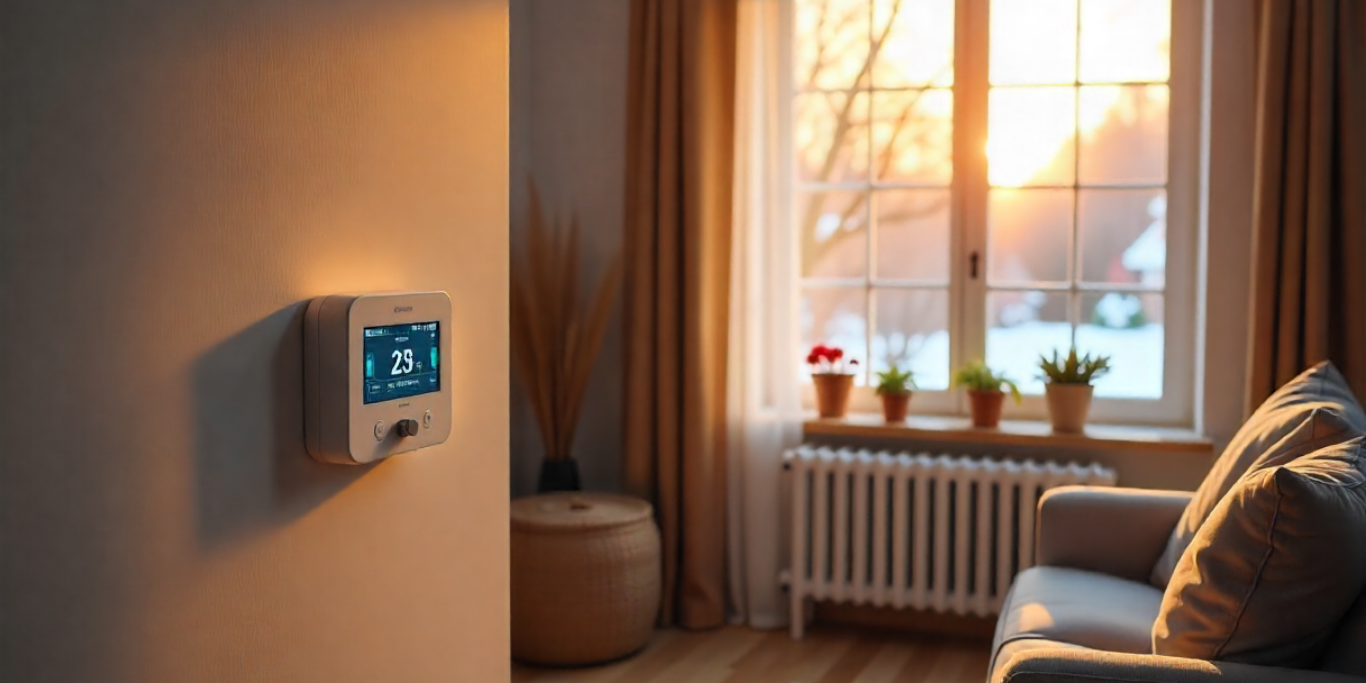
Heating can represent an important part of household energy consumption, particularly during colder periods or in homes that lose heat easily. If you are wondering how to reduce your heating bill, the solution is not simply to turn the heating off and put up with an uncomfortable home.
The most effective approach is to reduce unnecessary heat loss, control when and where you heat your home, use your heating system efficiently and understand how your energy consumption affects your bill.
Whether your home uses electric heating, a heat pump, radiators or another heating system, many of the same principles apply. Improving the efficiency of the building and avoiding unnecessary energy use can help you stay comfortable while using less energy. You can find more general strategies in our guide on how to reduce your electricity consumption.
Why Is My Heating Bill So High?
Before looking for ways to save, it helps to understand why heating costs can become high in the first place. The amount of energy required to heat a home depends on several factors.
Insulation and air leakage are particularly important: if heat escapes quickly through the roof, walls, windows, doors or other parts of the building envelope, the heating system has to work harder to maintain a comfortable indoor temperature.
The size and layout of the property also matter. A large detached house will generally have different heating requirements from a small apartment, while the local climate and orientation of the building can influence how quickly it gains and loses heat.
Your heating habits also affect consumption. Maintaining unnecessarily high temperatures, heating empty rooms, leaving the system operating when nobody is home or blocking radiators can all result in energy being used without providing additional comfort.
Finally, the efficiency and condition of the heating system itself can make a difference. If your home uses electric heating, your electricity tariff and consumption pattern will also influence what you ultimately pay.
And if your overall electricity costs have increased and you are not sure why, our guide Why Is My Electric Bill So High? explains some of the most common causes.
What Is the Best Way to Reduce Heating Bills?
The best way to reduce heating bills is to focus first on reducing the amount of energy your home actually needs. That usually means combining several measures rather than relying on a single trick.
Start by preventing unnecessary heat loss through insulation and draught-proofing. Then make sure your heating operates only when and where it is needed. Appropriate temperature settings, effective heating controls and regular maintenance can further reduce unnecessary consumption.
The objective is simple: keep useful heat inside the home and avoid producing heat that you do not need.
Here are some of the most practical ways to do it:
1. Use Your Thermostat Efficiently
As the thermostat temperature rises, the amount of energy needed to heat a home increases. Instead of setting the heating higher than necessary, choose a temperature that provides reasonable comfort and avoid large unnecessary increases.
It is also worth matching your heating schedule to when the property is actually occupied. If nobody is home for a significant period, maintaining exactly the same temperature may use energy unnecessarily.
Programmable or smart heating controls can make this easier by adjusting heating schedules automatically. However, smart technology is not a substitute for sensible settings. A sophisticated thermostat cannot save energy if it is programmed to heat an empty property unnecessarily.
If you are considering connected thermostats, energy monitors or other automation, our guide to smart home devices that can reduce energy consumption explores how this technology can support more efficient household energy use.
2. Improve Your Home’s Insulation
One of the most effective long-term ways to lower your heating bill is to reduce heat loss from the building itself. Insulation helps slow the transfer of heat between the inside and outside of your home. Roofs, external walls, floors, windows and doors can all form part of the thermal envelope.
The appropriate improvements depend on the property. In some homes, improving roof or wall insulation may be particularly important. In others, windows, doors or poorly sealed openings may be responsible for significant unwanted heat loss.
Better insulation does more than reduce heating demand. It can also improve thermal comfort and help reduce unwanted heat gain during warmer periods.
Reducing the amount of energy a building needs is an important part of overall home energy efficiency, not just a way to control winter heating costs.
3. Find and Reduce Draughts
Insulation and draught-proofing are related but not identical. Even a reasonably insulated property can lose useful heat through uncontrolled air leakage around windows, external doors, shutters and other openings.
Identifying these draughts and sealing appropriate gaps can help reduce unnecessary heat loss. However, draught-proofing should not mean blocking intentional ventilation. Homes still require appropriate ventilation for indoor air quality and moisture management.
The aim is to reduce uncontrolled air leakage, not eliminate necessary ventilation.
4. Make Better Use of Curtains, Blinds and Sunlight
Windows can be an important source of heat loss, but they can also provide useful passive solar heat. During sunny winter periods, opening curtains or blinds can allow sunlight to contribute to indoor warmth. Once outside temperatures fall, closing curtains, shutters or blinds can help reduce heat loss through windows.
Avoid placing large pieces of furniture or heavy curtains directly in front of radiators or other heat emitters, as this can interfere with effective heat distribution.
These are simple measures, but they support the same basic principle: make the heat already available in your home work more effectively.
5. Heat the Rooms You Actually Use
Not every room needs to be maintained at exactly the same temperature throughout the day. Where your heating system allows individual control, reducing unnecessary heating in rarely used areas can help lower energy consumption.
Thermostatic radiator valves, zoning systems and compatible heating controls can make it easier to manage different parts of the property independently.
There is an important distinction, however, between reducing unnecessary heating and allowing parts of a building to become excessively cold. The appropriate strategy depends on the property, climate and heating system. The goal is to use it where and when it provides value.
6. Keep Radiators and Heating Equipment Clear
Radiators need to transfer heat effectively into the room. Large furniture, radiator covers or other objects placed directly in front of them can restrict heat distribution.
For water-based radiator systems, trapped air can also affect performance. If a radiator is noticeably cooler at the top than at the bottom, it may need bleeding according to the manufacturer’s or heating professional’s instructions.
The appropriate maintenance depends on the type of system, so always follow the manufacturer’s recommendations.
7. Maintain Your Heating System
A heating system that is not operating correctly may use energy less effectively or struggle to maintain the desired indoor conditions. Regular maintenance can help identify problems and keep equipment operating as intended.
The maintenance required depends on the system. Boilers, heat pumps, radiators and other heating technologies have different servicing requirements. Homeowners should follow manufacturer guidance and use appropriately qualified professionals where inspection or servicing is required.
If a system is old or performing poorly, it may also be worth comparing its efficiency with suitable alternatives when replacement becomes necessary. Our guide to heating and cooling system costs in Spain explains the differences between air conditioning, heat pumps, underfloor heating and other common options without focusing only on the initial purchase price.
8. Avoid Heating an Empty Home Unnecessarily
Heating should reflect how a property is actually used. If everyone is away for much of the day, maintaining the same heating schedule as when the house is occupied may waste energy.
Timers, programmable thermostats and smart heating controls can help align operation with normal household routines. This can be particularly useful for second homes or holiday properties in Spain, where heating requirements may differ significantly between occupied and unoccupied periods.
Remote controls can also be useful in these situations, provided they are compatible with the heating system and used appropriately.
9. Ventilate Without Wasting Heat
Ventilation is important, but leaving windows open for unnecessarily long periods while the heating is operating can result in avoidable heat loss. When ventilating during cold weather, aim to renew indoor air without keeping windows open longer than necessary.
Where possible, avoid actively heating a room while windows or external doors are left open. Efficient heating is not about avoiding ventilation; it is about balancing indoor air quality, comfort and energy use.
10. Consider the Efficiency of Your Heating Technology
Different heating technologies use energy in different ways. Conventional electric resistance heaters convert electricity directly into heat. Heat pumps operate differently: they use electricity to transfer heat from one place to another.
For this reason, heat pumps can provide space heating with significantly greater energy efficiency than direct electric resistance heating under suitable operating conditions.
However, replacing a heating system is a much bigger decision than changing thermostat settings or sealing a draught. Property characteristics, climate, installation requirements, existing infrastructure and expected usage should all be considered.
How to Reduce Your Electric Heating Bill
If your home is heated primarily with electricity, there are two sides to reducing the cost: how much electricity you consume and how you are charged for that electricity. Start with consumption.
Improving insulation, controlling heating schedules, avoiding unnecessary temperatures and using efficient equipment can reduce the amount of electricity required to keep the property comfortable.
Then consider your consumption profile. Electric heating can substantially change when and how a household uses electricity. A property with a heat pump or other electric heating system may have a very different consumption pattern from a property that uses electricity mainly for lighting, appliances and electronics.
Understanding your electricity consumption can therefore help you evaluate whether your electricity tariff is appropriate for the way your household uses energy. Our guide to electricity tariffs in Spain explains how electricity tariffs work and what consumers should consider when comparing their options.
If your electricity costs appear unusually high, you can also use our guide Why Is My Electric Bill So High? to investigate other potential causes.
Does Insulation Really Help Reduce Heating Bills?
Yes. The thermal performance of a building has a direct relationship with the amount of heating energy it requires. A poorly insulated home loses useful heat more quickly, meaning the heating system must supply more energy to maintain comfortable indoor conditions.
Improving the building envelope can reduce this heat transfer. However, insulation should be considered as a complete building issue rather than simply adding one product. Roofs, walls, floors, windows, doors, thermal bridges and air leakage can all affect overall performance.
The best improvement therefore depends on where a particular property is losing heat. For major renovation work, professional assessment can help identify which improvements are likely to have the greatest impact.
Can a Smart Thermostat Lower Your Heating Bill?
A smart thermostat can help reduce unnecessary heating, but it does not automatically guarantee lower bills. Its main advantage is control.
Smart and programmable thermostats can adjust heating according to schedules, occupancy patterns or different zones in the home. Some systems also allow remote control, which can be useful if your routine changes frequently or if you manage a second property.
The greatest benefit usually comes from using these features to avoid heating when it is not required. If your existing heating schedule is already carefully controlled, installing a smart thermostat may have a smaller impact.
Before purchasing one, check that it is compatible with your heating system and that its features solve a genuine energy-management need.
Common Heating Habits That Can Waste Energy
Sometimes reducing heating costs is less about buying new technology and more about avoiding inefficient habits. Setting the thermostat unnecessarily high is one example. Another is heating rooms that are rarely occupied or leaving the heating operating according to a fixed schedule when nobody is home.
Blocking radiators with furniture can reduce effective heat distribution, while leaving windows open for extended periods during heating can increase heat loss. Ignoring maintenance can also lead to poor system performance.
Finally, replacing heating equipment without first considering the building itself can be a missed opportunity. Installing a highly efficient heating system in a property that loses heat rapidly does not address the underlying cause of high heating demand.
For many homes, the most effective strategy combines building efficiency, appropriate heating technology and sensible everyday use.
Frequently Asked Questions About Reducing Heating Bills
How can I reduce my heating bill?
Start by reducing unnecessary heat loss and energy use. Improve insulation where appropriate, seal uncontrolled draughts, use sensible thermostat settings, heat occupied spaces efficiently and maintain your heating equipment.
If your heating uses electricity, your electricity tariff and consumption pattern can also influence the final bill.
What is the best way to reduce heating bills?
There is no single measure that works best for every home. However, reducing heat loss through the building and avoiding unnecessary heating are two of the most important principles.
Combining insulation and draught reduction with effective heating controls and efficient equipment is generally more effective than relying on one individual measure.
How can I save money on my heating bill?
Focus on the factors you can control: the amount of heat your property loses, thermostat settings, hours of operation, rooms being heated, system efficiency and, for electric heating, your electricity tariff.
Small behavioural changes can help, while improvements to insulation or heating equipment can address longer-term energy consumption.
How can I lower my heating bill without being cold?
Reducing heating costs does not have to mean sacrificing reasonable comfort.
Improving insulation and reducing draughts can make a home feel more comfortable while requiring less heating. Heating occupied rooms appropriately and using better controls can also reduce waste without simply turning the temperature down everywhere.
Does turning the thermostat down save energy?
Generally, maintaining a lower indoor temperature reduces the amount of heat required to compensate for heat loss to the outside.
The actual impact depends on the building, outdoor conditions, heating system and how long the lower temperature is maintained.
Is it cheaper to leave the heating on all day?
Not as a universal rule.
A building continually loses heat whenever its indoor temperature is higher than the surrounding environment. Maintaining an unnecessarily high temperature while the property is unoccupied can therefore use energy that does not provide useful comfort.
The most appropriate heating schedule depends on the property and heating system, but heating should generally be aligned with actual occupancy and comfort requirements.
Does closing doors help reduce heating costs?
Closing doors between differently heated areas can help maintain separate temperature zones, particularly where individual room control is available.
However, the effect depends on the heating system and layout of the property.
Are smart thermostats worth it?
They can be useful when they provide better control over heating schedules or zones.
Their value depends on your existing controls, heating system and habits. A smart thermostat should be viewed as a tool for managing energy rather than a guarantee of savings.
How can I reduce my electric heating bill?
Reduce unnecessary electricity consumption first by improving building efficiency, controlling temperatures and schedules, and using suitable heating equipment.
Then review how and when you consume electricity and whether your electricity tariff is appropriate for that consumption pattern.
Reduce Heating Costs Without Sacrificing Comfort
Learning how to reduce your heating bill is ultimately about using energy more effectively. Start with the building: prevent unnecessary heat loss through insulation, draught control and sensible use of windows, curtains and shutters. Then look at the heating system itself. Appropriate thermostat settings, effective controls, zoning and regular maintenance can help ensure energy is used when and where it is actually needed. Finally, consider how the system is powered. If your home relies on electric heating, electricity consumption and your tariff both form part of the overall cost.
At Evergreen Eléctrica, we help customers in Spain understand their electricity consumption and electricity options so they can make more informed decisions about their energy use. If heating represents a significant part of your electricity consumption, understanding when and how your home uses electricity is an important step towards controlling your overall energy costs.